Featured
Table of Contents
The agency will draw a credit scores record to recognize what you owe and the degree of your difficulty. If the forgiveness program is the best remedy, the counselor will certainly send you a contract that information the plan, including the quantity of the monthly settlement.
If you miss a settlement, the arrangement is squashed, and you must exit the program. If you think it's a good option for you, call a counselor at a nonprofit credit score counseling firm like InCharge Financial obligation Solutions, who can address your concerns and aid you determine if you certify.
Because the program permits consumers to resolve for less than what they owe, the financial institutions who take part desire peace of mind that those who take benefit of it would not be able to pay the total. Your credit rating card accounts likewise should be from banks and bank card business that have actually consented to participate.
Balance should be at least $1,000.Agreed-the equilibrium should be repaid in 36 months. There are no extensions. If you miss out on a payment that's simply one missed repayment the arrangement is ended. Your lender(s) will cancel the plan and your balance goes back to the initial amount, minus what you've paid while in the program.
The Best Guide To Things to Avoid When Choosing a Debt Counseling Provider
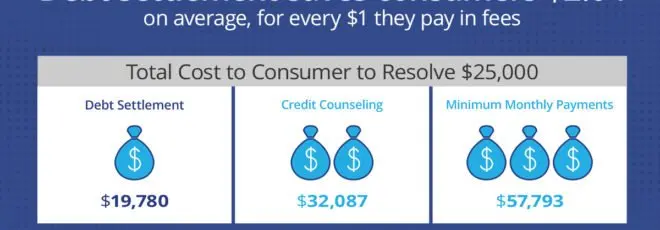
With the mercy program, the financial institution can instead choose to keep your financial debt on guides and redeem 50%-60% of what they are owed. Nonprofit Charge Card Financial obligation Mercy and for-profit debt negotiation are comparable in that they both supply a method to work out charge card financial obligation by paying much less than what is owed.

Credit scores card mercy is made to cost the customer less, repay the debt quicker, and have less downsides than its for-profit counterpart. Some essential areas of distinction between Charge card Debt Mercy and for-profit financial obligation settlement are: Credit report Card Financial debt Mercy programs have connections with creditors that have concurred to take part.
Once they do, the payback duration starts quickly. For-profit financial obligation settlement programs work out with each lender, normally over a 2-3-year period, while interest, costs and calls from debt collection agencies proceed. This indicates a bigger hit on your credit rating report and credit report, and a boosting equilibrium until settlement is finished.
Credit Card Debt Mercy clients make 36 equivalent regular monthly repayments to eliminate their financial obligation. For-profit debt settlement clients pay right into an escrow account over a settlement duration toward a swelling amount that will be paid to creditors.
Not known Facts About How Modern Tools Improving Service Service Areas & Locations : APFSC
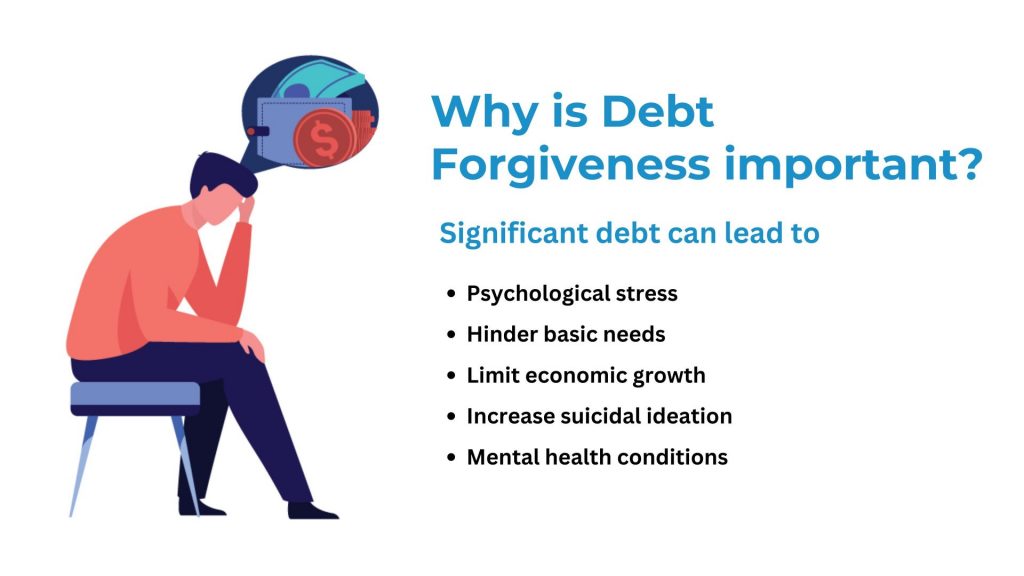
Throughout this moment, charges might increase, and rate of interest accrues, so repayments might end up not being budget friendly for customers. At the same time, customers quit making repayments to their debt card accounts. Telephone calls from financial obligation collectors proceed and creditor-reported non-payments continue to harm the client's credit scores record. Registration in a Charge Card Financial obligation Forgiveness stops calls and letters from financial debt collection and recovery firms for the accounts included in the program.
For-profit financial obligation negotiation programs do not stop collection actions till the lump-sum payment is made to the lender. Nonprofit Bank Card Financial debt Mercy programs will inform you up front what the regular monthly cost is, topped at $75, or much less, depending on what state you live in. For-profit debt negotiation business may not be clear concerning cost amounts, which typically are a portion of the equilibrium.
A Biased View of Knowing Your Legal Options Concerning Service Service Areas & Locations : APFSC
For-profit debt negotiation likely will hurt it a lot more, considering that you will not be paying financial institutions throughout the 2-3 year negotiation/escrow duration, however they haven't accepted a strategy or received any type of cash, so they're still reporting nonpayment. This gets on top of the credit report hit from not paying the sum total.
In many cases, financial obligation loan consolidation additionally features a reduced rates of interest than what you were paying on your bank card, making the regular monthly prices, in addition to overall expenses, less. Bank card financial debt combination's most usual types are financial obligation management plans, financial debt combination fundings, or a zero-interest transfer credit rating card.
To get a financial obligation combination funding or a zero-interest balance transfer credit history card, you need a debt rating of at the very least 680. Credit scores rating isn't a variable for debt administration program, yet you need an enough income to be able to make a month-to-month settlement that will cover all of the accounts included in the program.
Bankruptcy is the last resort for someone who has more financial obligation than they can pay. Nonprofit Bank Card Debt Forgiveness will not eliminate virtually as much financial debt as personal bankruptcy does, yet it also has less of the resilient adverse financial effect bankruptcy lugs. It can be the step you absorb order to stay clear of insolvency.
The Creating a Stable Spending Strategy That Works Statements
Personal bankruptcy will certainly get rid of all eligible unsafe financial debt. Credit Report Card Financial debt Mercy will have an unfavorable impact on your debt score given that full equilibriums on accounts were not paid.
Credit Report Card Financial debt Forgiveness repayments begin as soon as you're accepted into the program. Collection activities and claims on Credit Card Debt Mercy clients are quit when financial institutions concur to the plan.

Table of Contents
Latest Posts
An Unbiased View of How Legitimate Providers Follow Legal Compliance

Non-Profit Debt Forgiveness Organizations Reviewed Fundamentals Explained
The Ultimate Guide To Is When is the Right Time to Consolidate Debt for Relief? : APFSC Make Sense for Most People
More
Latest Posts
An Unbiased View of How Legitimate Providers Follow Legal Compliance
Non-Profit Debt Forgiveness Organizations Reviewed Fundamentals Explained
The Ultimate Guide To Is When is the Right Time to Consolidate Debt for Relief? : APFSC Make Sense for Most People